
The Real Cost: How Casinos in Regional Australia Reshape Land Use
As we drive past new developments in regional towns, a pressing question emerges: are casinos becoming the new anchors of local land use policy? Across Australia, the push for economic revitalisation in regional areas is increasingly intersecting with the powerful gambling industry, creating complex debates that sit at the crossroads of planning, prosperity, and principle. This conversation goes beyond the spin of roulette wheels; it’s about how we designate, use, and value our land. The development of casinos in regional Australia isn’t merely a commercial decision—it’s a profound land use decision with lasting consequences for community identity, cultural heritage, and long-term sustainability. As advocates for sensible land rights and rural policy, we must scrutinise whether these projects genuinely serve the public interest or simply gamble with our communal future.
The Current Landscape of Regional Australian Casinos
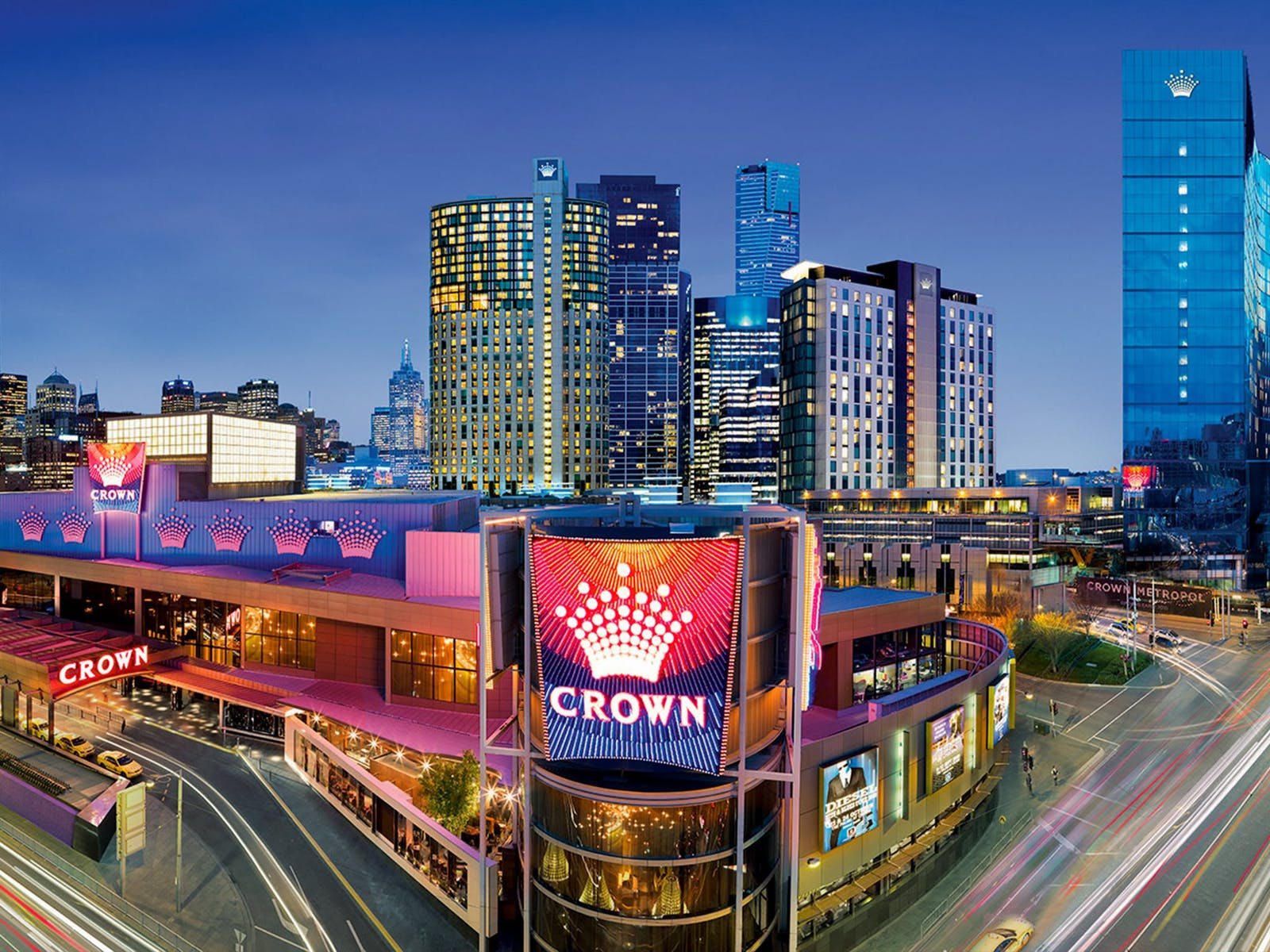
When discussing Australian gambling laws, attention often fixates on the glittering towers of Crown Casino Sydney or The Star in Pyrmont. However, a significant network of gambling venues operates beyond the metropolitan fringe, deeply embedded in the social and economic fabric of regional communities. These establishments range from large-scale integrated resorts to smaller venues, each shaping their local environment in distinct ways.
Major Established Players
Several key properties demonstrate the scale of investment in regional casino operations. The Star Gold Coast stands as a behemoth, transforming a coastal zone into a major tourism and entertainment precinct. In Tasmania, the Country Club Casino in Launceston has long been a feature of the northern Tasmanian landscape, leveraging its golf course and hotel facilities. Perhaps most symbolically significant is the Lasseters Hotel Casino in Alice Springs, a prominent fixture in the heart of the nation, operating on land with deep cultural and historical significance to Arrernte people. These venues are not just buildings; they are dominant economic entities that influence local employment, tourism flows, and municipal planning priorities.
Smaller Venues and Proposals
Beyond these established names, a patchwork of smaller venues and persistent proposals exists. From the casino at the Broken Hill Musicians Club to the long-debated potential for a casino in Cairns, the appetite for expansion remains. These projects are often framed as essential for tourism survival, particularly in towns affected by the decline of traditional industries like manufacturing or mining. The common argument presented is one of economic necessity, positioning casinos as the only viable anchor for development in struggling regional economies.
Land Use Policy and Gambling Zoning Conflicts
At the heart of the debate is a fundamental tension: state and local planning laws are designed to manage land for the broad public good, while casino proposals often arrive with irresistible, singular economic promises that seek to override these frameworks. This creates a direct conflict between planned, balanced community development and project-specific rezoning.
State Planning vs. Economic Arguments
State planning schemes typically zone land for specific purposes—residential, commercial, industrial, recreational, or conservation. Introducing a casino, with its unique requirements for security, parking, and large-scale entertainment, often doesn’t fit neatly into these categories. Proponents, however, wield powerful economic impact studies promising hundreds of jobs and millions in investment. This “jobs and growth” mantra can pressure councils and planning ministers to create special zones or make exceptions, effectively allowing the casino to dictate land use policy, rather than policy guiding appropriate development.
Case Study: The Tamworth Club Hotel Proposal
A clear example of this conflict played out in Tamworth, NSW. For years, proposals for a major hotel and casino complex surfaced, promising to transform the local economy. The debate centred on where such a venue could be appropriately located, considering its impact on surrounding businesses, residential amenity, and the city’s family-friendly country music brand. The push for the development consistently challenged existing zoning and forced the community to repeatedly debate whether a casino was the right use for prime real estate, ultimately highlighting how a single industry can dominate the planning conversation for years.
Economic Boon or Land Rights Burden?
The standard proposal for a regional casino comes wrapped in a ribbon of economic benefits. Yet, a thorough analysis requires weighing these promises against the potential burdens, particularly concerning the use and ownership of land itself.
Promised Jobs and Infrastructure
Proponents consistently highlight a suite of potential benefits:
- Creation of direct employment in hospitality, security, and management.
- Indirect jobs in construction, supply, and tourism services.
- Increased local government revenue through rates and potential profit-sharing agreements.
- Development of supporting infrastructure like improved roads, parks, or public spaces funded by the developer.
These are powerful incentives for regional communities facing economic headwinds. The promise of a quick fix to unemployment and a boost to the local treasury can be incredibly seductive.
The Overlooked Costs to Community Land
However, the costs are often underplayed. The most significant is the opportunity cost: once land is dedicated to a casino, it is effectively removed from other potential uses for generations. This could mean the loss of space for affordable housing, community centres, public parks, or light industrial precincts that might provide more diverse and sustainable employment. Furthermore, on culturally significant land—especially concerning Australian land rights for First Nations peoples—a casino development can represent a profound spiritual and communal loss. The diversion of prime, often publicly owned or strategically located land to a single, monopolistic use can stunt holistic community development, locking towns into a dependency on the volatile gambling industry.
Crown’s Shadow and the National Context
The national conversation around Australian gambling laws and ethics has been irrevocably altered by the scandals surrounding Crown Resorts. The fallout from the inquiries into its operations has cast a long shadow, influencing how all casino proposals, including regional ones, are now perceived and regulated.
Lessons from the Crown Casino Royal Commission
The 2021 Crown Resorts Royal Commission in Victoria exposed systemic failures in corporate governance, money laundering controls, and the very relationship between the regulator and the operator. It revealed how the pursuit of profit at venues like Crown Casino Sydney overwhelmed social responsibility and legal compliance. For regional communities, the key lesson is that the promised economic windfall can come with severe, hidden social and regulatory risks. The Commission demonstrated that without ironclad oversight, the power and influence of a casino operator can become corrosive.
Trickle-Down Regulatory Scrutiny
This national reckoning has led to a trickle-down effect in regulatory scrutiny. State regulators, now under immense public and political pressure, are applying more rigorous standards to all licensees and applicants. This means any new proposal for a casino in regional Australia faces a higher barrier to entry. Communities and councils are now more empowered to ask tougher questions about financial integrity, anti-money laundering protocols, and responsible gambling safeguards, knowing that failures at the top have had devastating consequences.
The Future: Sustainable Development or Expansion?
Moving forward, Australia stands at a crossroads. Will we continue to allow casino development to drive land use policy through economic desperation, or can we forge a more sustainable and community-centric model?
A Call for Integrated Planning
The future must involve integrated planning, where any casino proposal is assessed not as a standalone saviour project, but as one component within a broader, transparent community land use strategy. This means:
- Requiring developments to conform to existing zoning, not forcing zoning to conform to developments.
- Mandating genuine, early, and continuous community consultation, not just a tick-box exercise.
- Conducting independent social and economic impact assessments that fully account for long-term costs.
Prioritising Community Benefit over Profit
Ultimately, the benchmark for approval must shift. The primary question should not be “How much money will this make?” but “How does this serve our community’s long-term vision for this land?” This means legally enshrining community benefit agreements that guarantee returns beyond tax revenue—such as funding for dedicated mental health and addiction services, community infrastructure, or cultural preservation projects. The rights of the community to determine the use of its land must be elevated above the commercial interests of a gambling operator.
We must advocate for land use policies that ensure casinos serve the community’s long-term vision for its land, not just short-term economic interests. The real cost of a casino is measured not just in dollars, but in lost opportunities, compromised planning, and the silent burden on community wellbeing. As we shape the future of regional Australia, let us choose development that dignifies our land and empowers our people, rather than betting their future on the turn of a card.








Post Comment