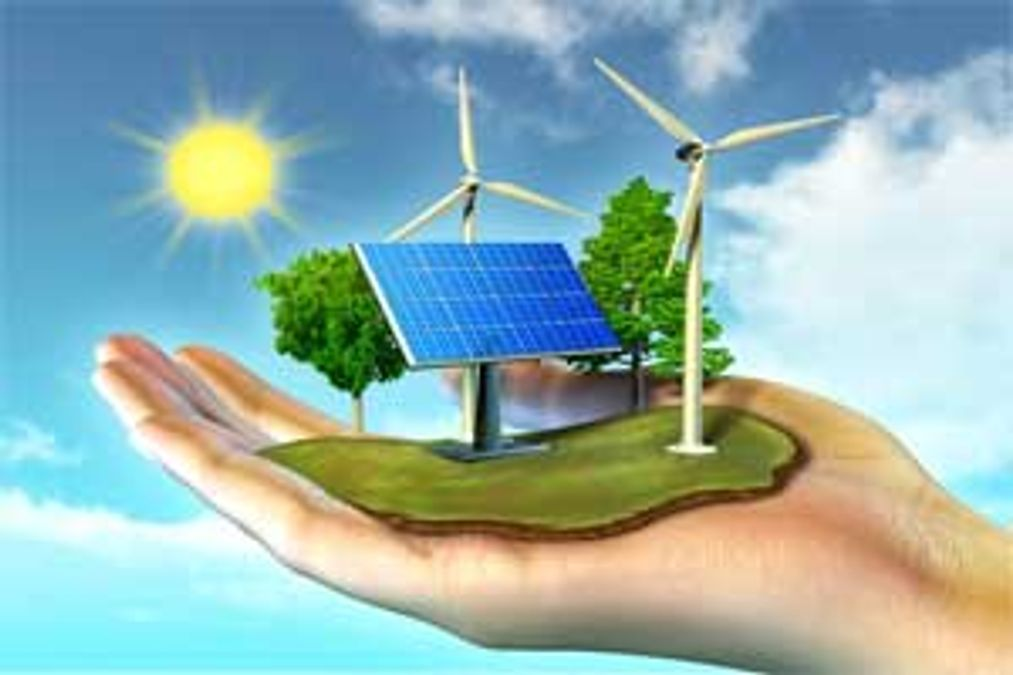
Renewable Energy: The New Cash Crop for Australian Landowners
As traditional farming faces volatility from climate extremes and fluctuating commodity prices, a profound shift is underway on the Australian landscape. Renewable energy is emerging as a stable, long-term income source for landowners, transforming paddocks into powerhouses. This isn’t just about environmental stewardship; it’s a pragmatic financial strategy that is reshaping rural economies and offering a compelling alternative to conventional agricultural revenue. For those invested in the future of Australian land rights and regional prosperity, understanding this energy revolution is crucial.
The Renewable Revolution on Our Land
The face of rural Australia is changing, not just from the plough, but from the installation of photovoltaic panels and towering wind turbines. Driven by ambitious national energy goals and the urgent need for decarbonisation, vast tracts of land are transitioning from solely agricultural production to dual-purpose energy generation. This revolution is visible in the sprawling solar farms of Queensland’s sun-drenched regions and the sweeping wind projects across South Australia’s pastoral districts, marking a new chapter in how we utilise and profit from the land.
From Wheat to Watts: The Changing Landscape
The concept of ‘harvesting’ is being redefined. Where fields once yielded wheat or supported grazing livestock, they now capture sunlight and wind to generate megawatts. This co-location model allows landowners to maintain partial agricultural use while securing a guaranteed income from energy companies. It’s a diversification strategy that mitigates risk, turning land into a multi-faceted asset that can produce food, fibre, and now, clean power for the national grid.
Government Targets Driving Change
This acceleration is no accident. Federal and state government commitments to net-zero emissions have created a powerful policy environment. The establishment of bodies like the Australian Renewable Energy Agency (ARENA) has been instrumental in funding innovation and de-risking large-scale projects, making renewable developments more viable and attractive for investment in regional areas. These targets signal long-term market certainty, encouraging developers to seek long-term land access agreements with farmers.
Solar and Wind: Harvesting Clean Energy
For landowners, the mechanics of ‘growing’ energy come down to two primary models: solar leasing and wind royalties. These agreements provide a financial return based on the energy-producing potential of the land, offering a predictable income stream often spanning 25 to 30 years. Companies like Neoen, a major French developer, have become familiar partners in the countryside, turning sunlight and wind into consistent revenue for farming families.
Solar Leasing: A Steady Income Stream
Solar farm developers typically lease land from owners, paying an annual rental fee per hectare. This fee is often indexed to inflation, providing a growing, stable return that is immune to drought or poor seasons. Neoen’s solar projects in Queensland, such as the Western Downs Green Power Hub, are prime examples, where local landowners receive regular payments for hosting panels, creating a reliable ‘crop’ that requires no watering or harvesting.
Wind Royalties: Profiting from the Breeze
Wind energy agreements often involve a royalty-based structure, where the landowner receives a percentage of the project’s revenue or a payment based on the megawatt-hours generated. This aligns the landowner’s success directly with the project’s output. The iconic Hornsdale Wind Farm in South Australia (also developed by Neoen) famously not only provides royalties to hosts but has also helped stabilise the local grid and reduce energy costs, showcasing the broader community benefits.
Financial Harvest: Comparing Energy to Traditional Crops
The economic case for hosting renewables is compelling when compared to traditional broadacre farming. While agricultural income is highly variable, renewable energy offers fixed, long-term contracts that provide financial security and enable better succession planning. Data from the Australian Bureau of Agricultural and Resource Economics (ABARES) and real-world lease agreements paint a clear picture of the potential advantage.
Revenue per Hectare: The Numbers
While figures vary by location and project, solar farm lease payments can significantly outstrip returns from traditional crops on a per-hectare basis. Consider this comparison for marginal cropping land:
- Wheat (Average Dryland): Returns can range from a loss in poor seasons to a few hundred dollars per hectare per year, with high input costs and volatility.
- Cattle Grazing: Highly dependent on rainfall and feed availability, with returns fluctuating widely year-to-year.
- Solar Farm Leasing: Can provide guaranteed payments of $1,000 to $2,000+ per hectare per year, indexed annually, with minimal ongoing effort from the landowner.
Long-Term Contracts vs. Market Volatility
The key differentiator is certainty. A 30-year solar or wind lease acts as a financial anchor, insulating landowners from commodity price crashes, drought, and supply chain issues. This stable base income allows farmers to reinvest with confidence, pay down debt, or diversify other on-farm enterprises, securing the long-term viability of the family property.
Navigating the Regulatory Landscape
Entering a renewable energy agreement is not without its complexities. It requires navigating a web of federal incentives and state-level planning regulations. Understanding this framework is essential for landowners to protect their rights and maximise their benefits, ensuring projects align with both community expectations and long-term land health.
Federal Incentives: The RET Explained
The Renewable Energy Target (RET) has been the cornerstone federal policy driving large-scale investment. It creates a legal obligation for energy retailers to source a proportion of their electricity from renewable sources, generating tradeable certificates (LGCs) for projects. This mechanism has been the primary market driver for projects like wind farms and solar stations, underpinning their financial models and the viability of offers made to landowners.
State by State: Planning and Zoning
State governments control the critical planning and zoning approvals. Regulations differ significantly:
- Queensland & NSW: Have designated Renewable Energy Zones (REZs) to coordinate development and network infrastructure.
- Victoria: Has specific planning guidelines for wind farms and supports community engagement models.
- South Australia: A leader in penetration, has a streamlined process informed by years of project experience.
Landowners must seek expert legal advice to understand state-specific planning schemes, development application processes, and how projects like the massive Snowy Hydro 2.0 project (a national battery) influence broader grid connectivity and regional opportunities.
Case Studies: Australian Landowners Cashing In
The theory translates into real-world success. Across regional Australia, forward-thinking landowners are partnering with developers to secure their financial futures, proving that renewable energy can be a lifeline for rural communities.
The NSW Solar Success Story
In the New England region of NSW, numerous farmers have entered into agreements with companies like FRV Australia. One case study involves a mixed farming enterprise that allocated 200 hectares of less productive land to a solar farm. The annual lease payments now exceed the total previous profit from running sheep on that same land, providing capital to drought-proof the core farming operation and fund next-generation succession.
Victorian Wind Farm Winners
In southwest Victoria, communities around projects like the Dundonnell Wind Farm have seen direct benefits. Host landowners receive substantial annual royalties, while the broader community benefits from a significant community fund. This model has funded local sports facilities, medical services, and event sponsorships, demonstrating how renewable energy can harvest more than just power—it can harvest community resilience and investment.
Embracing renewable energy is no longer a niche or purely ideological choice; it is a smart economic strategy for securing the future of Australian rural lands. By diversifying income through solar and wind, landowners can build a buffer against agricultural volatility, add immense value to their asset, and play a direct role in the nation’s energy security. For those advocating for strong regional economies and sustainable land use, this new cash crop represents a powerful tool for liberty and prosperity on the land.








Post Comment